Mastering Inventory to Drive Sales Growth
Optimizing supply chain is crucial in order to realize optimal sales performance. A well-managed inventory system allows you to meet customer demand efficiently, avoid stockouts, and minimize carrying costs. Implementing robust supply chain optimization strategies can substantially enhance sales revenue and profitability.
- Utilizing inventory management software can automate tasks such as order fulfillment, stock tracking, and demand forecasting.
- Regularly analyzing sales data helps identify popular products, anticipate future demand, and adjust inventory accordingly.
- Optimizing clear communication channels between departments, such as sales, purchasing, and warehousing, ensures a seamless flow of information and reduces delays.
By effectively managing inventory, businesses can maximize their sales potential and achieve sustainable growth.
Dominating the Art of Item Selling: Strategies for Success
To truly excel in the realm of merchandise marketing, one must cultivate a diverse array of tactics. First and foremost understanding your ideal customer - their needs, pain points, and inspirations. Leverage this knowledge to create captivating product descriptions that engage with your customers.
- , In addition, utilize effective costing approaches that strike a harmony between financial success and purchaser delight.
- Perpetually monitor your revenue streams to recognize areas for improvement. Modify your approaches as needed to remain competitive in the ever-evolving commercial sphere
- Build strong connections with your clients through excellent customer service. Handling concerns promptly and courteously can foster trust.
Boosting Sales Through Effective Inventory Control
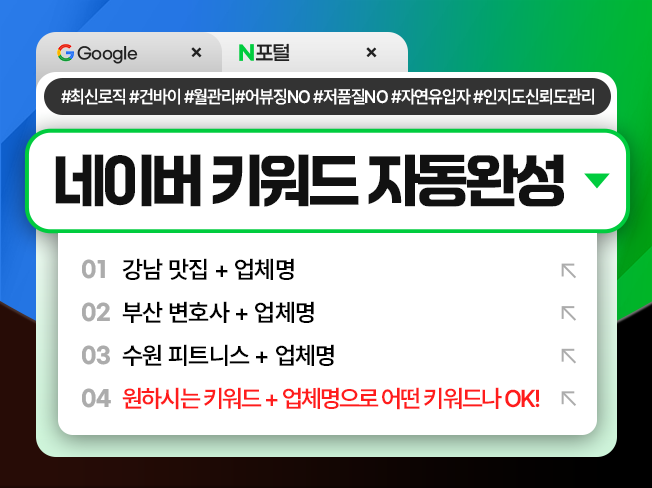
Inventory control isn't just about 네이버자동완성 tracking what you have on hand. It's a vital component of success that can significantly affect your bottom line. By implementing robust inventory management techniques, businesses can enhance sales and boost revenue growth.
Effective inventory control allows you to accurately estimate demand, ensuring that you have the right goods available when customers need them. This reduces stockouts and lost sales opportunities, inevitably leading to increased customer happiness. Furthermore, a well-controlled inventory can minimize waste and storage costs, freeing up valuable resources that can be directed into other areas of the business.
Effective Selling Techniques: Driving Revenue Growth
In today's dynamic market, achieving sustainable revenue growth requires more than just a quality product. It demands a robust approach to selling that encourages your sales team to successfully surpass expectations. Effective selling strategies are the foundation to unlocking this growth potential, enabling you to convert more customers and boost your bottom line.
- Harnessing data analytics to target customer needs
- Cultivating strong customer connections
- Adopting effective sales training and development programs
- Enhancing the sales process through technology
- Creating compelling value propositions that resonate with customers
By emphasizing on these key areas, businesses can reimagine their sales operations and drive sustainable revenue growth.
The Power of Data-Driven Item Management
In today's dynamic business landscape, organizations navigate unprecedented challenges in effectively managing their item inventories. Traditional methods often struggle to keep pace with the demands of fluctuating customer demands, supply chain disruptions, and rapid technological advancements. To overcome these obstacles and achieve success, businesses are increasingly turning to data-driven strategies for item management. By harnessing the power of real-time insights, organizations can make informed decisions that enhance operational efficiency, decrease costs, and maximize profitability.
Implementing data-driven item management involves the combination of advanced analytics tools with existing inventory systems. This enables businesses to gain a comprehensive understanding of item performance, pinpoint potential bottlenecks, and forecast future demand patterns with greater accuracy.
- Take for example
- Data analytics can
Strategic Product Integration for Increased Sales
Achieving optimal product placement is a critical factor in driving profits. By strategically integrating your products into relevant platforms, you can effectively target your desired audience. A well-executed product placement campaign can increase brand awareness and motivate consumer purchase behavior.
To maximize the impact of your product placement strategy, it is essential to meticulously select channels that align with your target market. Consider factors such as engagement and content relevance when making your decisions.
- Collaborate with key opinion leaders who have a strong following within your target market. Their endorsement can greatly impact consumer perception and purchasing decisions.
- Monitor the performance of your product placement campaigns to identify what is working and what needs improvement. This data will allow you to refine your strategy for optimal results.
Leveraging Strategies for High-Demand Items
When items are in high demand, savvy sellers can capitalize on the excitement and increase their sales. Implementing effective selling strategies becomes crucial to meeting customer demands. A popular strategy is to emphasize building a strong online presence, utilizing platforms to engage potential customers. Generating a sense of urgency through limited-time offers can also be beneficial. By offering exceptional customer service and fostering strong ties, sellers can hold customers for the long term, even when demand falls.
- Furthermore,evaluating different pricing strategies based on market trends and competitor actions is crucial.
Managing Inventory to Minimize Discarding and Maximize Profit
Effective inventory management is crucial for any business aiming to optimize/enhance/improve profitability while reducing/minimizing/controlling waste. By implementing robust strategies/techniques/approaches, businesses can strike a balance between meeting customer demand and preventing/avoiding/eliminating excess stock that leads to unnecessary costs. Key elements of successful inventory management include accurate forecasting, streamlining/optimizing/improving the supply chain, and utilizing technology for real-time monitoring/tracking/analysis.
A well-managed inventory system allows businesses to identify/recognize/detect potential issues/problems/challenges early on, enabling timely corrections/adjustments/solutions. This proactive approach not only minimizes waste but also ensures/guarantees/promotes customer satisfaction by providing/offering/delivering products in a timely and efficient manner. Ultimately, effective inventory management is an essential/critical/fundamental component of achieving sustainable business success.
Building a Winning Sales Culture: Teamwork and Motivation
A high-performing sales team isn't simply built on individual talent; it's forged through collaboration and inspiration. When your team members recognize that their efforts are valued and contribute to a shared goal, they naturally work better together.
Creating a culture of teamwork involves fostering honest communication, encouraging idea sharing, and celebrating wins as a collective. Recognizing individual contributions while emphasizing the importance of the bigger picture is essential to building a truly cohesive sales force.
Inspiring your team goes beyond monetary rewards. It's about offering opportunities for growth, appreciating their dedication, and building an environment where they perceive a strong sense of purpose. When your team members are inspired, they'll not only achieve greater results but also remain loyal to the company's objectives.
Understanding Customer Behavior for Effective Item Selling
Unlocking the insights to customer behavior is paramount for achieving success in any marketplace. By understanding how customers think, you can effectively tailor your marketing strategies to appeal with their needs. A comprehensive understanding of customer motivations, preferences, and purchasing habits empowers you to craft compelling offerings that attract your target audience.
- Employing customer data through analytics can reveal significant information about their preferences.
- Identifying key influencers that prompt purchasing decisions is essential.
- Categorization customers based on their behaviors allows for targeted campaigns.
Ultimately, understanding customer behavior is the key to driving sales and fostering lasting customer relationships.
Improving the Sales Process for Enhanced Efficiency
In today's fast-paced market, organizations must constantly aim to maximize their operational efficiency. The sales process is no exception, and refining it can lead to significant advancements in productivity and ultimately, revenue generation. By adopting strategic approaches, sales teams can automate repetitive tasks, strengthen customer relationships more effectively, and secure deals at a faster rate.
A crucial element in streamlining the sales process is harnessing technology.
Sales automation software can support by automating repetitive tasks such as lead generation, follow-up communication, and data entry. This frees up valuable time for sales representatives to focus on more impactful activities like consultative selling.
Furthermore, a well-defined sales pipeline can deliver transparency into the progress of each deal, allowing teams to identify bottlenecks and address them efficiently.
By implementing these strategies, companies can optimize their sales process, leading to greater success.